- Details
- Hits: 1427
Today, the Feast of saint Dominic, we - Missionaries of School - feel united with all of the Dominican family in the memorial of our Founder. He teaches us how to put God in the centre of our lives and all our activities. It is Him and His project of Salvation of each person in each time and place that should be above all the other things.
In the 13th century Dominic with his passion for fraternity and zealous concern for those who were away from the Church, renewed the apostolic vocation of the Church.
On the bases of this teaching the newly elected Master of the Order of Preachers, fr. Gerard Francis Timoner III (the first Philippine to be elected) commenting the Gospel (John 20:20), said: "... all Dominicans must have a capacity to preach evangelii gaudium, the joy of the Gospel. Thanks to God’s grace, I have experienced that joy in seeing the Lord, manifested through the fraternal embrace, support and love of the brothers present here in Vietnam; the prayers and kind words of support of the brothers and sisters from all over the world, including my family. They have been, for me, concrete manifestations of the Emmanuel, the Lord who is with us".
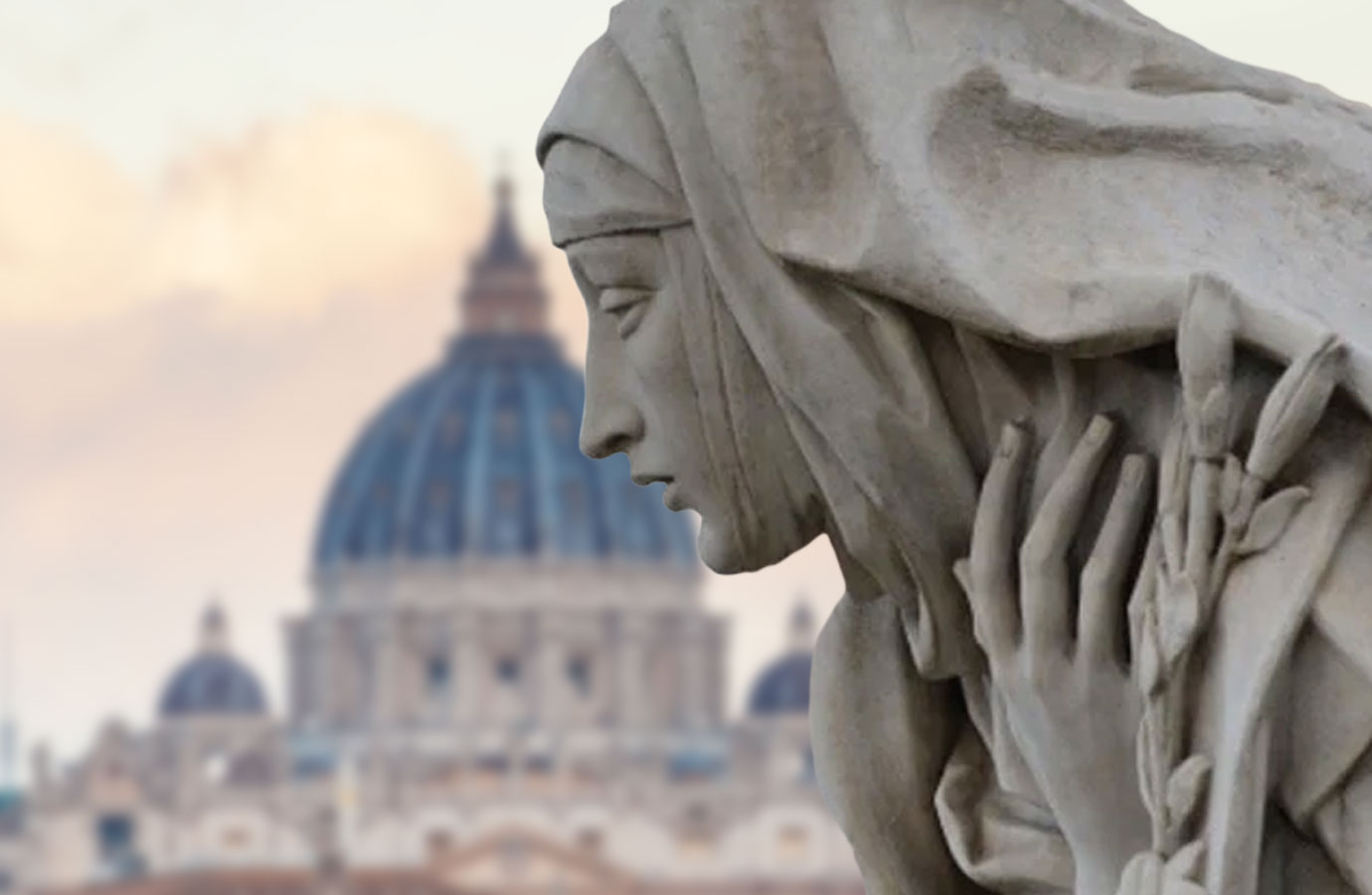
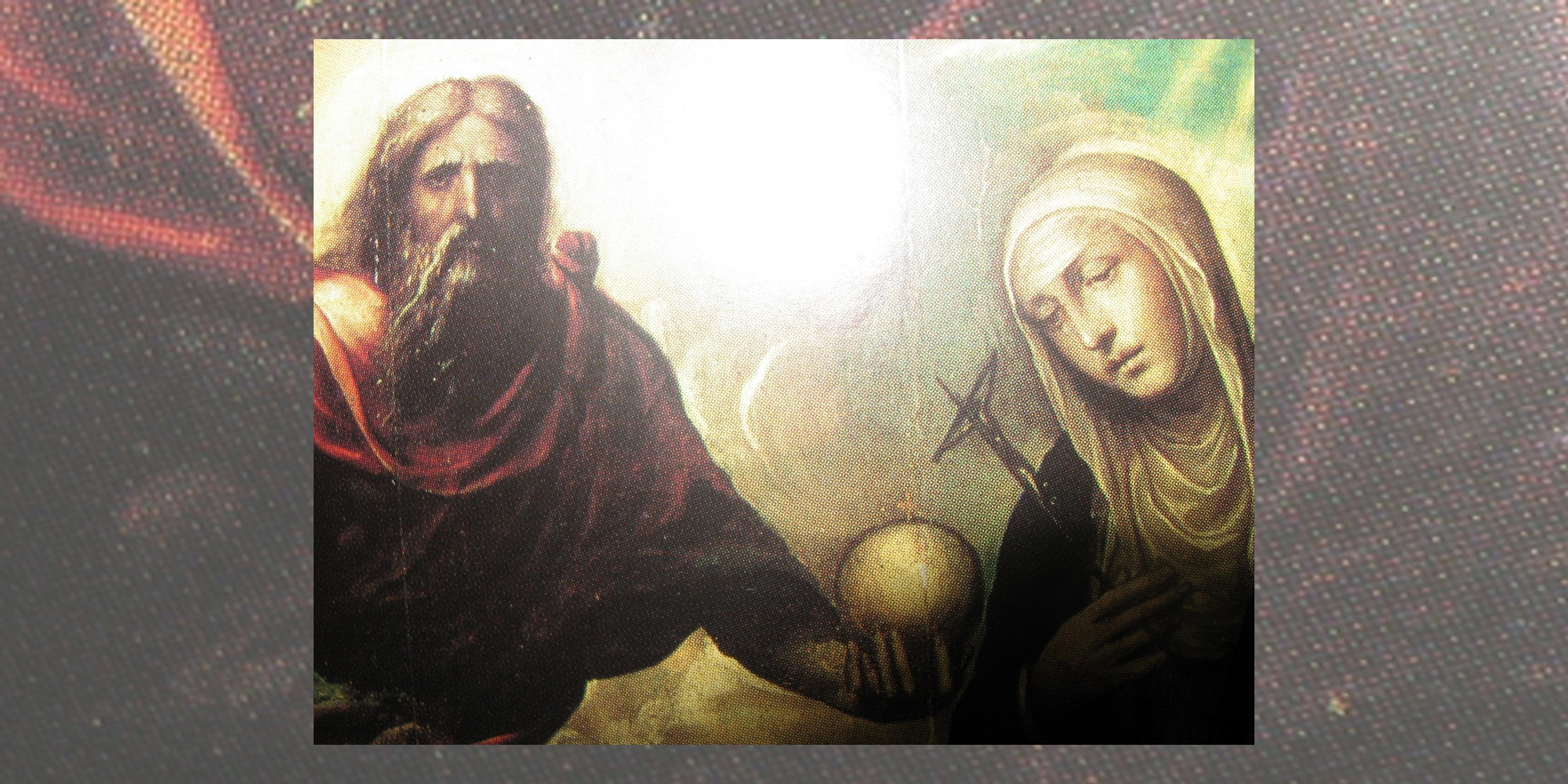
The apostolic perspective for this charisma, that enriched the Church thanks to st. Dominic, was also expressed by saint Catherine of Siena. She had a dream where she saw herself and saint Dominic with all of his family entering the wounded heart of Christ together with both Christians and non Christians. It is a sign for everybody that with the Cross Jesus brought the olive branch of peace, saying to everyone: “ I proclaim to you a great joy” (Saint Catherine of Siena, The Letter 219).
Nowadays, the Church is called to give answers to today’s needs and proclaim the authenticity of Gospel. The way set by Dominic 800 years ago seems to be full of potentiality, like leaven and scent of the Gospel, more than ever before.
In the 13th century Dominic with his passion for fraternity and zealous concern for those who were away from the Church, renewed the apostolic vocation of the Church.
On the bases of this teaching the newly elected Master of the Order of Preachers, fr. Gerard Francis Timoner III (the first Philippine to be elected) commenting the Gospel (John 20:20), said: "... all Dominicans must have a capacity to preach evangelii gaudium, the joy of the Gospel. Thanks to God’s grace, I have experienced that joy in seeing the Lord, manifested through the fraternal embrace, support and love of the brothers present here in Vietnam; the prayers and kind words of support of the brothers and sisters from all over the world, including my family. They have been, for me, concrete manifestations of the Emmanuel, the Lord who is with us".
The apostolic perspective for this charisma, that enriched the Church thanks to st. Dominic, was also expressed by saint Catherine of Siena. She had a dream where she saw herself and saint Dominic with all of his family entering the wounded heart of Christ together with both Christians and non Christians. It is a sign for everybody that with the Cross Jesus brought the olive branch of peace, saying to everyone: “ I proclaim to you a great joy” (Saint Catherine of Siena, The Letter 219).
Nowadays, the Church is called to give answers to today’s needs and proclaim the authenticity of Gospel. The way set by Dominic 800 years ago seems to be full of potentiality, like leaven and scent of the Gospel, more than ever before.
- Details
- Hits: 1847
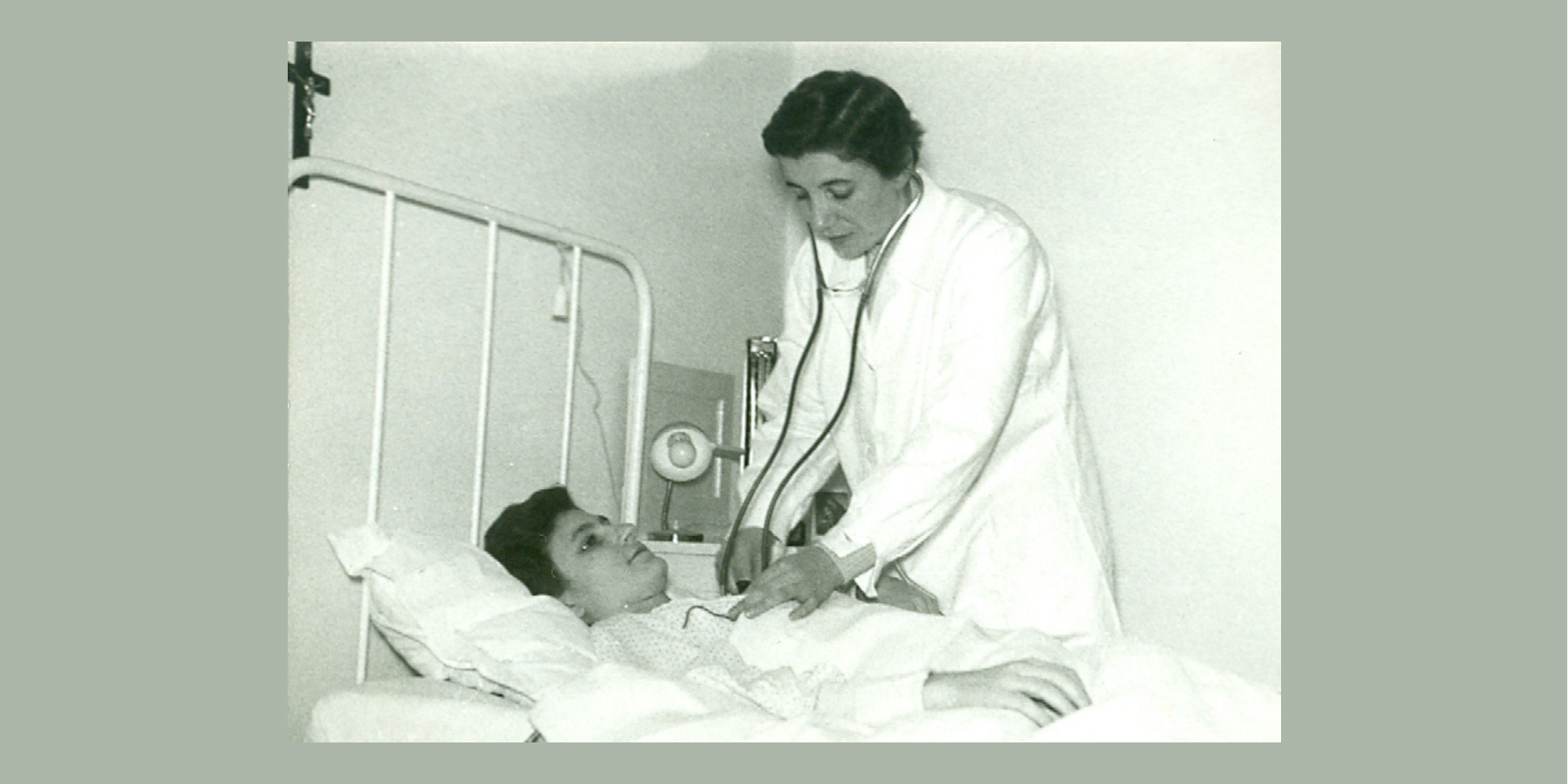
Here we publish a re-enactment of Anna Cappella (1924-2009),School Missionary,
gynecologist specialized in the United States and active as hospital doctor in Pakistan,
collaborator of the Billings spouses in the diffusion of their natural method for responsible procreation,
first director of the Research and Studies Centre for the Regulation of fertility, at the University of Sacred Heart /Rome).
The testimony is written by a colleague of Anna Cappella, Dr. Paola Pellicanò, who carries out her studies and works.
It is the feast of St Anne and my thoughts go back to a few months (20-4-2019), to the tenth death anniversary of Anna Cappella’s return to Heaven. It was exactly Holy Saturday, the day of silence the day of silence filled of real hope, like that of the women who run to the tomb as soon as the lights of dawn allowthem; a day of contrasts, of ups and downs, of paradoxes… from which the wise Hand of God can draw a harmony. And, seen as a whole, Anna’s life reaches this harmony, almost in contrast between her usual silence and the many voices of her history.
Traveling, always, because she was the daughter of a soldier in career, and always attracted by that God who, calling her, had made her travel even more, as a doctor and a religious, combining United States’ universities facilities with the poorest hospital lanes in Pakistan.
Missionary, always, because every place is a mission for those who gather the daily call of God: no matter where, she herself said; the important thing is to open one’s arms, always in the form of a cross, always on the cross; the important thing is to know how to say one’s “Yes” and to know how to repeat it every day.
I knew her as a missionary and among the many “yes’’ she must have said, I could gather and share some fruits : three great “Yes’’ , precious witness and teaching also for my life as a doctor and consecrated person.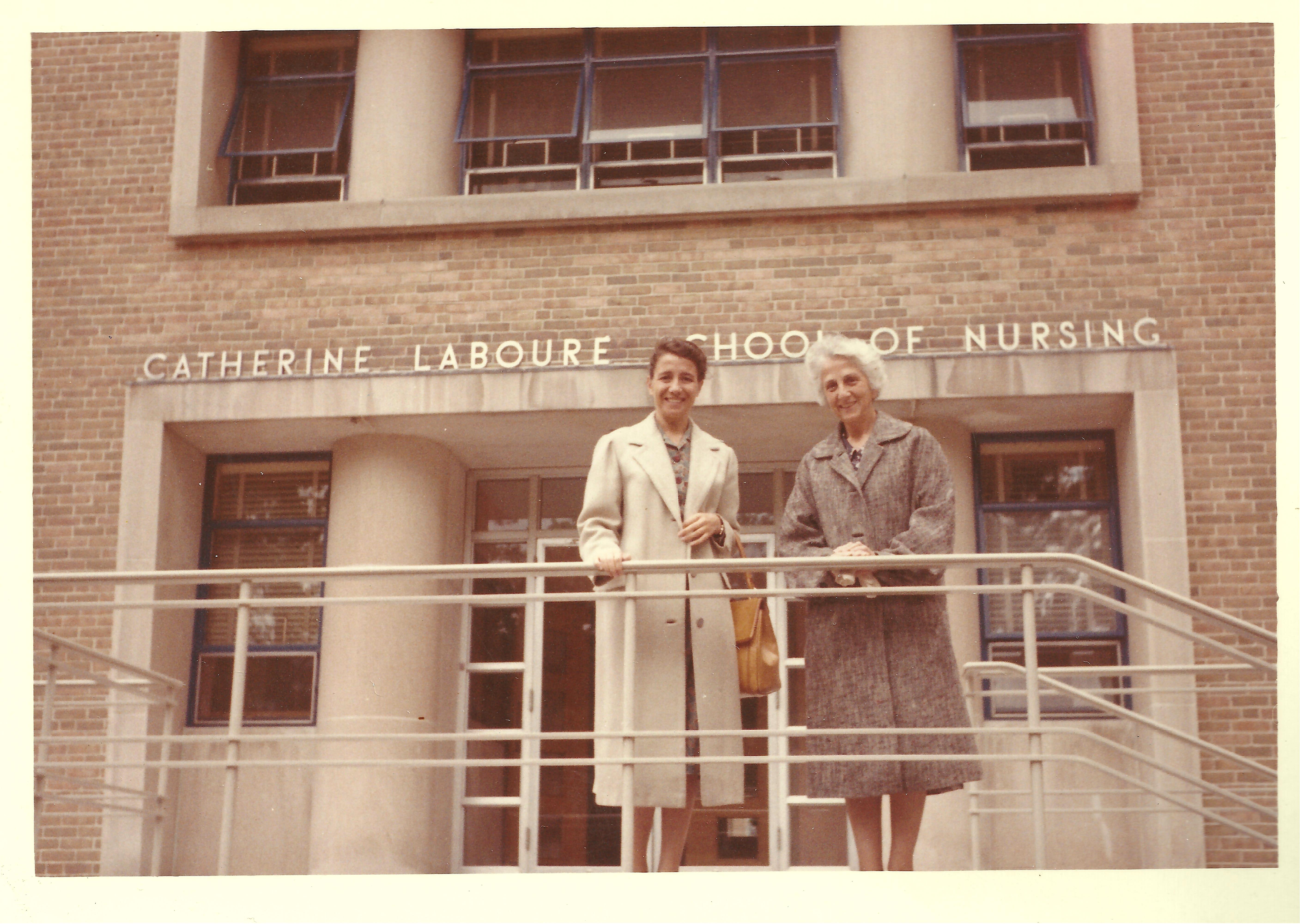
The “Yes’’ unaware and charitable
After a brilliant career of medical and gynecological studies, carried out in Italy and America,Anna Cappella fulfilled among the poor and the sick her dream of being a School Missionary. She shared the crosses of the health and human suburbs of St. Dominic’s Hospital in Bahawalpur, Pakistan, when, not without reluctance, she was persuaded to listen to a lecture: two Australian doctors would tal
gynecologist specialized in the United States and active as hospital doctor in Pakistan,
collaborator of the Billings spouses in the diffusion of their natural method for responsible procreation,
first director of the Research and Studies Centre for the Regulation of fertility, at the University of Sacred Heart /Rome).
The testimony is written by a colleague of Anna Cappella, Dr. Paola Pellicanò, who carries out her studies and works.
It is the feast of St Anne and my thoughts go back to a few months (20-4-2019), to the tenth death anniversary of Anna Cappella’s return to Heaven. It was exactly Holy Saturday, the day of silence the day of silence filled of real hope, like that of the women who run to the tomb as soon as the lights of dawn allowthem; a day of contrasts, of ups and downs, of paradoxes… from which the wise Hand of God can draw a harmony. And, seen as a whole, Anna’s life reaches this harmony, almost in contrast between her usual silence and the many voices of her history.
Traveling, always, because she was the daughter of a soldier in career, and always attracted by that God who, calling her, had made her travel even more, as a doctor and a religious, combining United States’ universities facilities with the poorest hospital lanes in Pakistan.
Missionary, always, because every place is a mission for those who gather the daily call of God: no matter where, she herself said; the important thing is to open one’s arms, always in the form of a cross, always on the cross; the important thing is to know how to say one’s “Yes” and to know how to repeat it every day.
I knew her as a missionary and among the many “yes’’ she must have said, I could gather and share some fruits : three great “Yes’’ , precious witness and teaching also for my life as a doctor and consecrated person.
The “Yes’’ unaware and charitable
After a brilliant career of medical and gynecological studies, carried out in Italy and America,Anna Cappella fulfilled among the poor and the sick her dream of being a School Missionary. She shared the crosses of the health and human suburbs of St. Dominic’s Hospital in Bahawalpur, Pakistan, when, not without reluctance, she was persuaded to listen to a lecture: two Australian doctors would tal
k to the seminarians about a method of natural regulation of fertility developed by them.
She had no interest on this subject, she had said it with determination to the priest who invited her, she had too much to do with so many medical emergencies and with her women who gave birth and often died in childbirth. But the Lord knew that, in order to convince her, it was necessary to play the charity card: she could not leave that priest alone for one night by train… that journey lasted so long, that it would provoke many more journeys of her life.
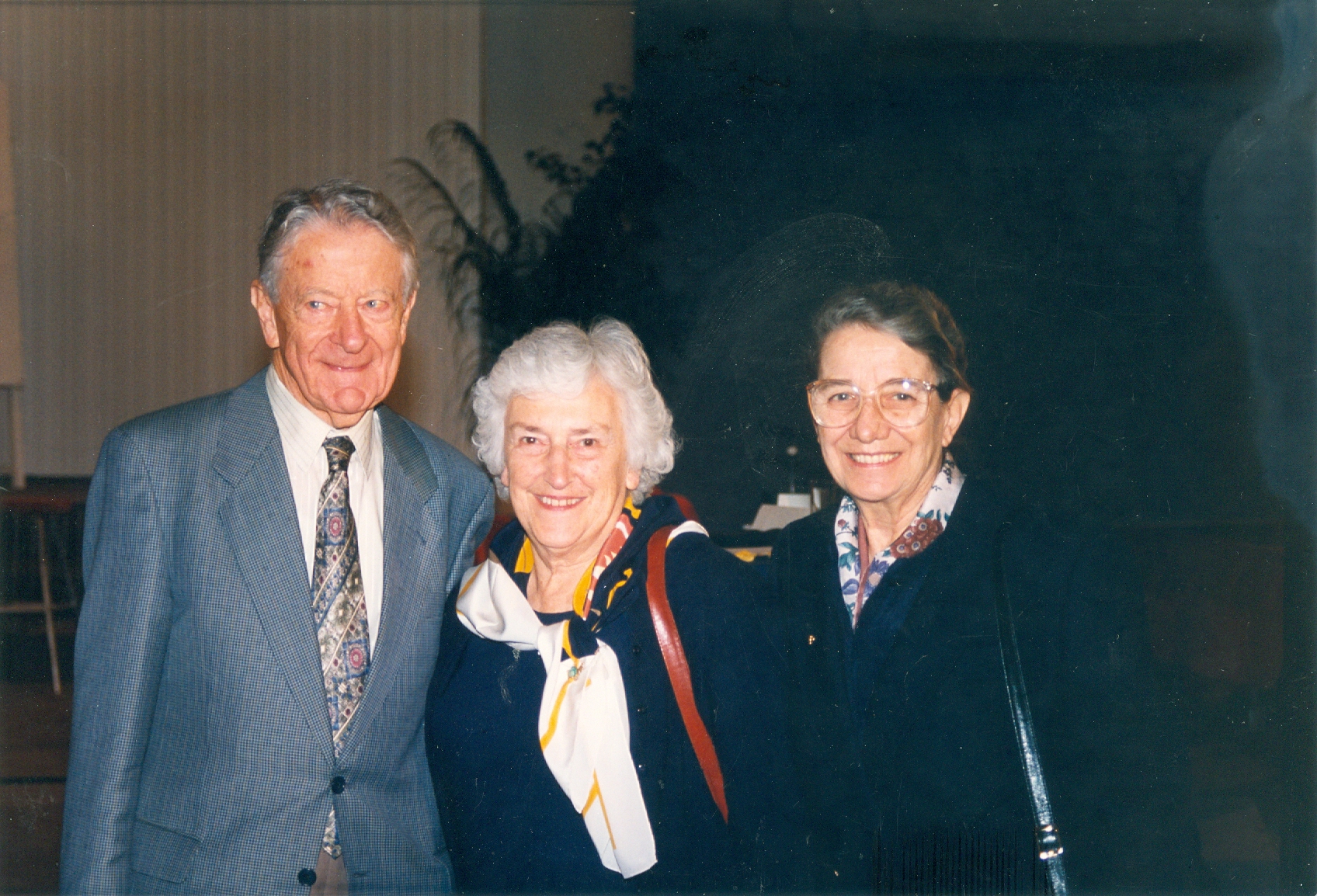 She realized almost immediately how, contrary to her predictions, what she heard was not at all devoid of interest. John and Evelyn Billings, with scientific rigor, human wealth and inner wisdom, spoke of an extraordinary and simple discovery: The Billings ovulation method, aimed at offering knowledge and respect of the rhythms of fertility written by God in the female organism. A knowledge that every woman had the right to possess!
The explanations of the conference acquired an unexpected fascination, while the thought of her women left in the hospital still crowded her mind; the way was clear, bright, a solution to the problem of their health, often undermined by close pregnancies, damaging to their generally already malnourished physique, but there was also the possibility of a human promotion of the same women, which went far beyond the simple natural regulation of fertility. «Educating also means making known what is in nature»: this was what Anna sensed that day, sustained by the certainty that when a road responds to our concerns and exceeds expectations, it is God’s way.
And that was truly God’s way! It was a road of God the Billings Method: an extraordinary scientific discovery that combined effectiveness and simplicity, self-awareness and mutual respect between spouses, procreative responsibility and love for life; a lifestyle for couples of every language and culture, race and religion; a proposal that Anna immediately began to make to her patients, to poor women, deepening it with the passion of the scholar, congenial to her, and teaching it with her patience and dedication as consecrated.
While listening to the speakers, – she often said –, she felt a form of emotion, as in front of small things that reveal themselves later extraordinarily great. Yes, it was God’s way!
But the way of God was not only the Method in itself, even if accompanied by all the richness of values that are its own. Anna saw something special in John and Lyn Billings and they saw it in her: the gift of that collaboration was the gift of a wonderful friendship, destined for a new human, professional and spiritual fruitfulness.
“Yes” docile and obedient
So, also because of the specificity acquired through the Billings Method and, therefore, the work of education to responsible procreation that brings so many fruits of good to the family, Anna Cappella is called to Rome to direct the nascent Family Counsel at the Catholic University of the Sacred Heart. It is 1976, the centre of those 70’s that represent a dark time for Italy. The law on divorce is already in force and the law on abortion gives a glimpse of its terror: something concrete for the family must be done!
It is the Episcopal Conference that wants to empower the University of Italian Catholics in this sense; and the involvement of the Doctor Cappella is thought, in particular, Adriano Bompiani, Professor of gynecology and former Anna’s teacher, the Rector of the University Joseph Lazzati and the then Spiritual Assistant, the dear Cardinal Elio Sgreccia - recently expired -, who will always believe with tenacity in the importance of this mission, defending and promoting it on every occasion.
The call shakes her. She had by now imagined her life in mission among the poor and still had no perception of what type of poverty would soon invade the family, of what anthropological upheaval would lead to the loss of the meaning of conjugal love, the manipulation of life and the transmission of life, the debasement of human sexuality… Under no circumstances would Anna wish to leave the poor hospital lanes in Pakistan and go down that road, but she obeys.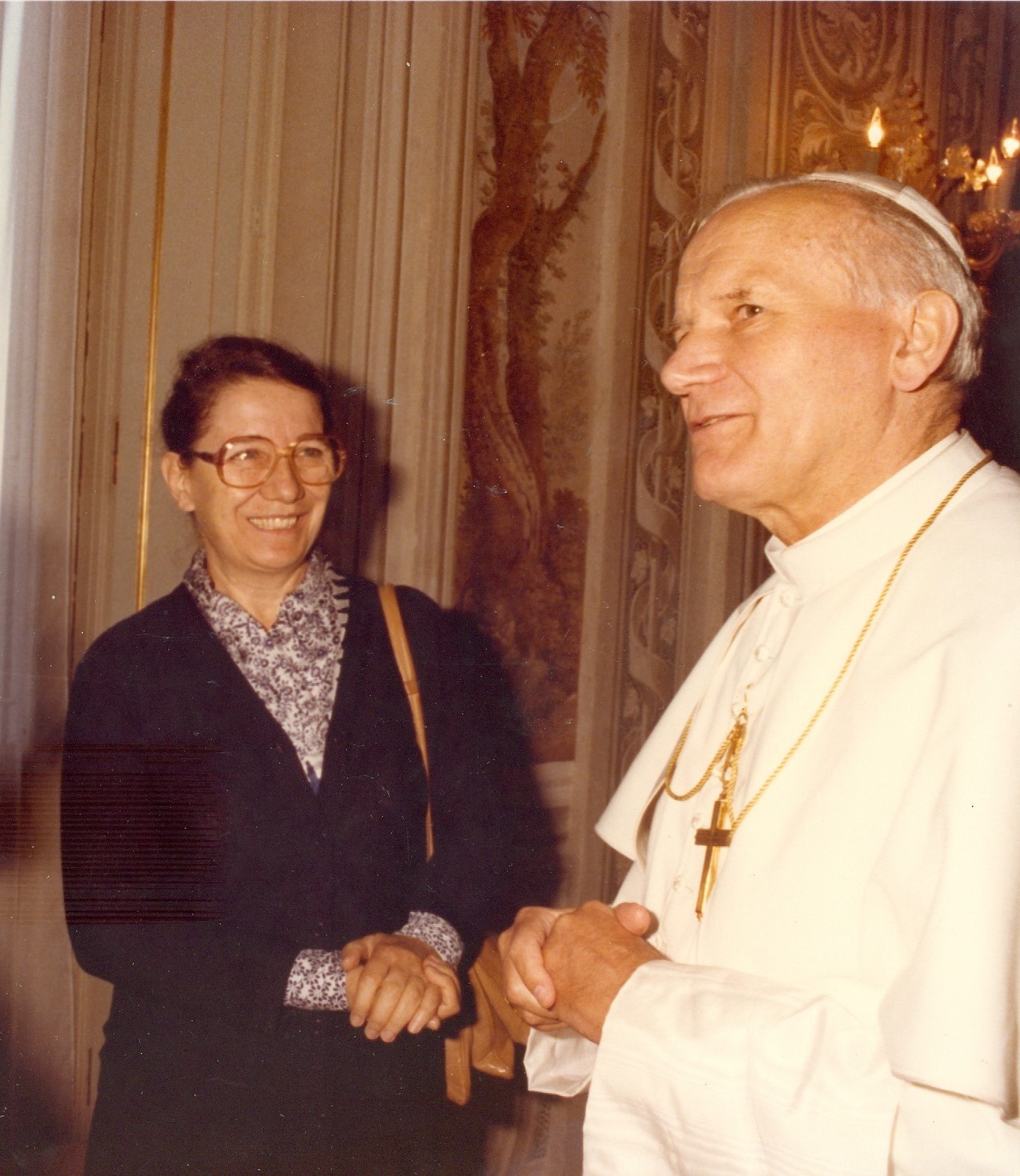
As a consecrated woman she knows that, in obedience to her superiors, she obeys the Church and God; and God will once again give her direct confirmation: «From today we have a missionary of the family!» said the Foundress of her Congregation, Luigia Tincani, presenting her to Paul VI during a private audience of the Pope to the School Missionaries. «This is a very important work: spread it», the Successor of Peter confirms! And though Anna does not know it yet, she will be particularly linked to the Successor of Peter, especially to John Paul II, Pope of life.
Meanwhile, her commitment in the University grows and gathers, around the Doctor Cappella, an ever more varied and nourished team: first of all young doctors, conquered by a subject of extraordinary scientific and little known value and by a service that perfectly embodies the primary aims of the Catholic University itself.
Soon the work became so intense and specific as to require a space of its own, distinct from the Family Counsel: thus was born, in 1980, the Center for Studies and Research for the Natural Regulation of fertility, that gradually develops its clinical and scientific research activity, academic training and teaching, dissemination and cultural promotion, maintaining a primary care for the qualification of teachers of the Billings Method throughout the country and in many foreign countries, especially in Africa and Eastern Europe.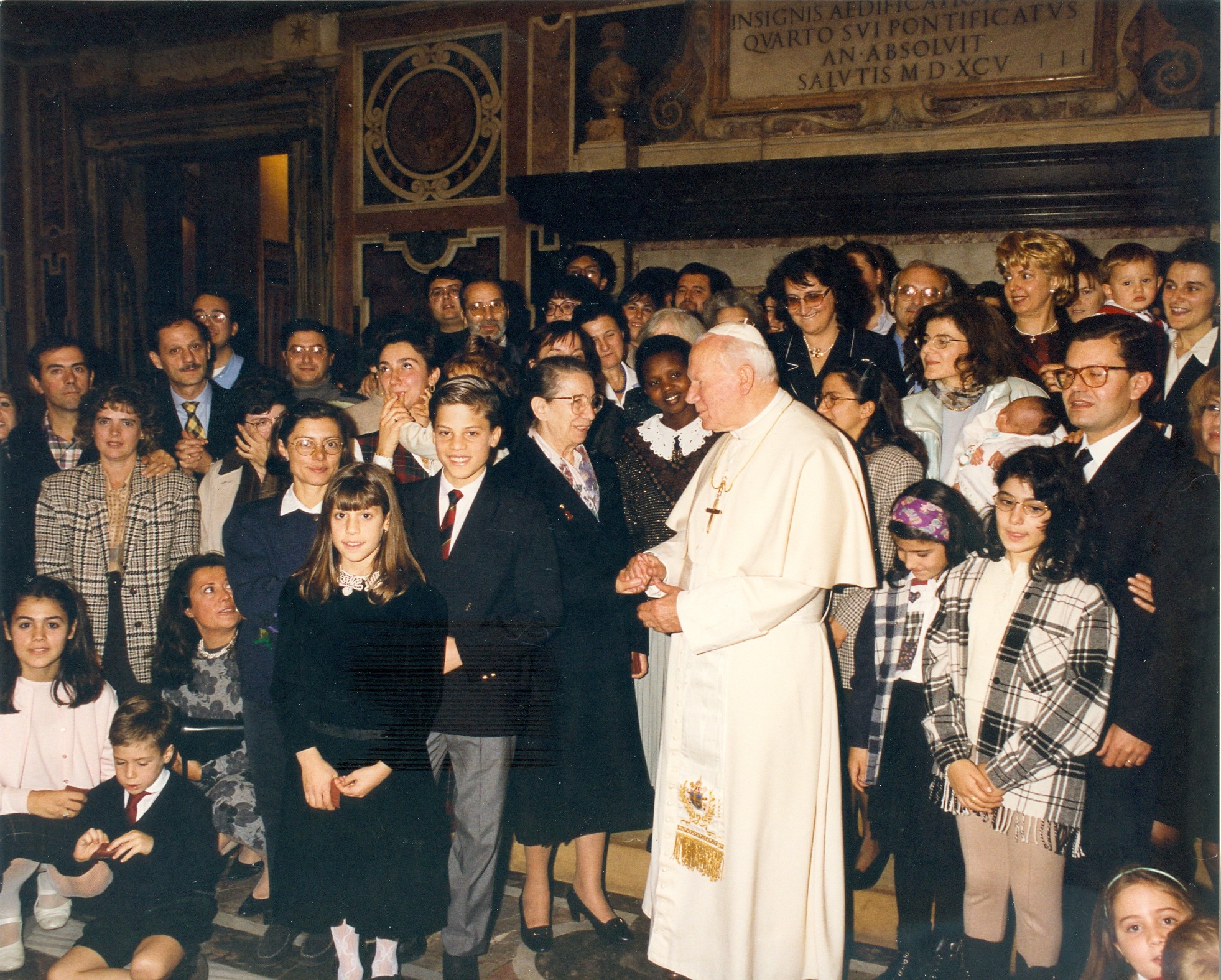
It was in those years the participation of Doctor Cappella in the foundation of John Paul II Institute for Studies on Marriage and Family, desired by the Pontiff himself at the Pontifical Lateran University, where Anna always remained teacher, and the establishment of collaborations with many university offices and with many operators of natural methods in all continents...
There are the Study Seminars, the Formation Courses, the Congresses, often called by her “Congresses for the Family of Africa and of Europe”; a singular title, almost a confirmation that God does not ask her to renounce her missionary love, but to accomplish it in another way.
In all these initiatives, the involvement of doctors Billings and many other great personalities of the scientific and ecclesial world is frequent: scientists such as James Brown or Kevin Hume from Australia, Erik Odeblad from Sweden and then many theologians, moralists, Biblists , priests and bishops– first of all Carlo Caffarra, Elio Sgreccia, Dionigi Tettamanzi -, in support of a work of which cultural and pastoral scope is becoming increasingly clear.
In every initiative, it becomes a happy tradition to receive as a gift the private audience to the participants from the Holy Father John Paul II, who warmly supports the work of Anna Cappella and the Centre she directed, accompanying it with valuable discourses and catechesis.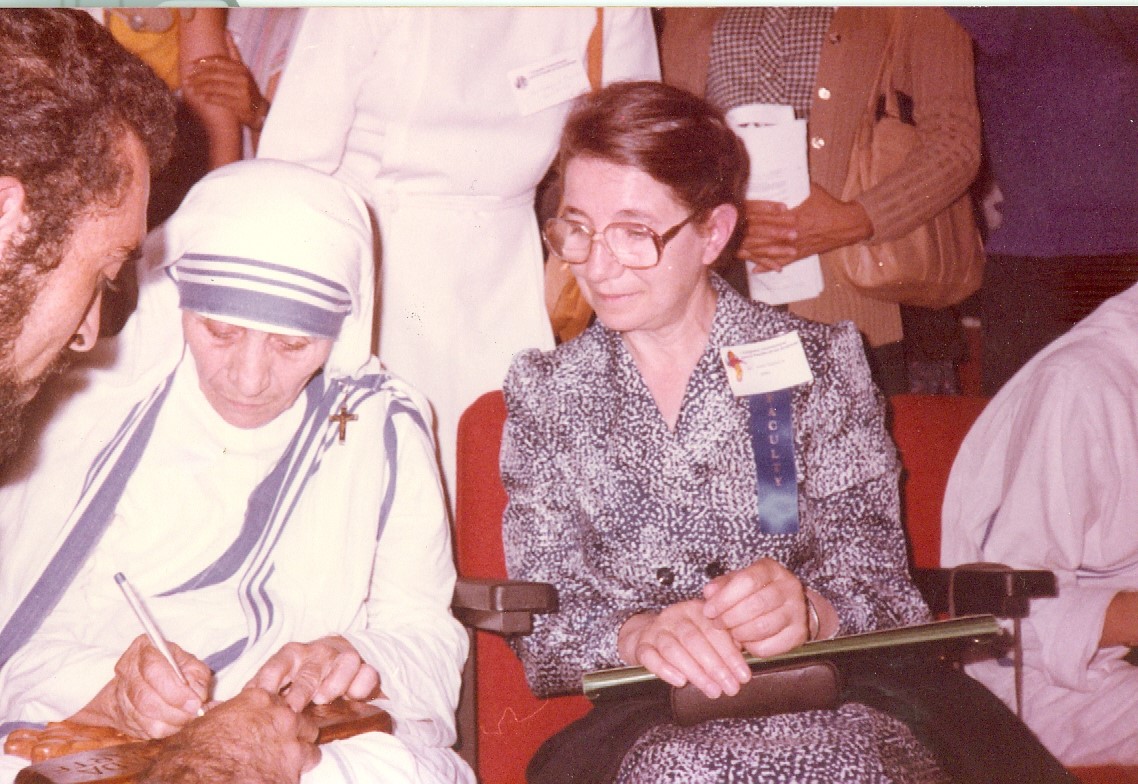
But the relationship with the Polish Pope deepens more and more, thanks also to Anna’s closeness to Dr Wanda Poltawska, a fraternal friend of Karol Wojtyla and often present in Rome to meet the Holy Father. Anna participates in some meetings, some breakfast, some Eucharistic Celebration, and has the opportunity to develop a personal contact that will continue and will be fundamental for her life. More than once, with discretion, she spoke of private conversations, exchanges of views on sensitive issues and of great spiritual depth.
“Yes” hidden and delivered
And its spiritual depth helps to understand the third “Sì”, the last of her earthly life.
The moment of retirement will not be easy for Anna, because of her great love for work and her concern for the problems that afflict the Centre she founded at that time. But once again, a mysterious fertility will inhabit it.
It is the time in which to visit it means to take long walks, to welcome the fading of her memories... to be there, for a common prayer, for a lunch together, for a Pilgrimage to Divino Amore. Different rhythms from the director’s lively activity; different spaces, those of Villa Ave Maria, compared to the classrooms of the University.
The memories fade, it’s true. But there remains an ever lively interest in all that has characterized her commitment and the certainty of faith to have left a legacy that is not corrupted and does not rot, even among the many difficulties that, still today, the Centre goes through.
It is the heritage of a mission, that heritage which, paradoxically, can only be left when things do not belong to us, when we have not appropriated them, when we have lived them with the freedom of service.
This freedom Anna taught us, full of a wisdom that struggles to make its way in the academic and, at times, also in the ecclesial spheres, but which is the very heart of the Church, Bride of Christ, an obedient Servant and consigned out of love.
Thus, the last is the season of the final consignment of Anna, which is no less fruitful but reaps what she had sown with each consignment, with each “yes” said in the time of industrious liveliness.
There is an icon that I think describes well all this: her funeral. I witnessed it, like few others, because we were only a few, ten years ago, in the chapel of the School Missionaries in Florence, where Anna spent her last years of life. She who had known and gathered so many people, was accompanied to the House of the Father only by some sisters and collaborators. She, who had been a friend with Popes, Cardinals and Bishops, lived a funeral celebrated by a chaplain who perhaps hardly knew her. She, author of public initiatives, writings, articles, object of interest and interviews, walked away like this, tiptoeing.
A style that, after all, was precisely of her mild tenacity and that, perhaps, brought her again close to the stories of the poor women of Pakistan, forgotten by public opinion but so loved by her and thanks to whom, in a way, this extraordinary adventure had begun.
A style that is the heart of her identity and her life, realized - like that of every consecrated person – in “yes” to mission and works but rooted in the love of Christ and, ultimately, happy only with the intimate union with God, of which concealment is an authentic and desired instrument.
The last great lesson of Anna, perhaps the most eloquent and the one for which I am most grateful, is, for me, this last one of hers “yes”. A “Yes” which summarizes everything, and everything in silence. Just like Holy Saturday!
Paola Pellicanò
(Centre for Studies and Research on the Natural Regulation of Fertility
– Catholic University of the Sacred Heart, Rome)
(our translation)
She had no interest on this subject, she had said it with determination to the priest who invited her, she had too much to do with so many medical emergencies and with her women who gave birth and often died in childbirth. But the Lord knew that, in order to convince her, it was necessary to play the charity card: she could not leave that priest alone for one night by train… that journey lasted so long, that it would provoke many more journeys of her life.
She realized almost immediately how, contrary to her predictions, what she heard was not at all devoid of interest. John and Evelyn Billings, with scientific rigor, human wealth and inner wisdom, spoke of an extraordinary and simple discovery: The Billings ovulation method, aimed at offering knowledge and respect of the rhythms of fertility written by God in the female organism. A knowledge that every woman had the right to possess!The explanations of the conference acquired an unexpected fascination, while the thought of her women left in the hospital still crowded her mind; the way was clear, bright, a solution to the problem of their health, often undermined by close pregnancies, damaging to their generally already malnourished physique, but there was also the possibility of a human promotion of the same women, which went far beyond the simple natural regulation of fertility. «Educating also means making known what is in nature»: this was what Anna sensed that day, sustained by the certainty that when a road responds to our concerns and exceeds expectations, it is God’s way.
And that was truly God’s way! It was a road of God the Billings Method: an extraordinary scientific discovery that combined effectiveness and simplicity, self-awareness and mutual respect between spouses, procreative responsibility and love for life; a lifestyle for couples of every language and culture, race and religion; a proposal that Anna immediately began to make to her patients, to poor women, deepening it with the passion of the scholar, congenial to her, and teaching it with her patience and dedication as consecrated.
While listening to the speakers, – she often said –, she felt a form of emotion, as in front of small things that reveal themselves later extraordinarily great. Yes, it was God’s way!
But the way of God was not only the Method in itself, even if accompanied by all the richness of values that are its own. Anna saw something special in John and Lyn Billings and they saw it in her: the gift of that collaboration was the gift of a wonderful friendship, destined for a new human, professional and spiritual fruitfulness.
“Yes” docile and obedient
So, also because of the specificity acquired through the Billings Method and, therefore, the work of education to responsible procreation that brings so many fruits of good to the family, Anna Cappella is called to Rome to direct the nascent Family Counsel at the Catholic University of the Sacred Heart. It is 1976, the centre of those 70’s that represent a dark time for Italy. The law on divorce is already in force and the law on abortion gives a glimpse of its terror: something concrete for the family must be done!
It is the Episcopal Conference that wants to empower the University of Italian Catholics in this sense; and the involvement of the Doctor Cappella is thought, in particular, Adriano Bompiani, Professor of gynecology and former Anna’s teacher, the Rector of the University Joseph Lazzati and the then Spiritual Assistant, the dear Cardinal Elio Sgreccia - recently expired -, who will always believe with tenacity in the importance of this mission, defending and promoting it on every occasion.
The call shakes her. She had by now imagined her life in mission among the poor and still had no perception of what type of poverty would soon invade the family, of what anthropological upheaval would lead to the loss of the meaning of conjugal love, the manipulation of life and the transmission of life, the debasement of human sexuality… Under no circumstances would Anna wish to leave the poor hospital lanes in Pakistan and go down that road, but she obeys.
As a consecrated woman she knows that, in obedience to her superiors, she obeys the Church and God; and God will once again give her direct confirmation: «From today we have a missionary of the family!» said the Foundress of her Congregation, Luigia Tincani, presenting her to Paul VI during a private audience of the Pope to the School Missionaries. «This is a very important work: spread it», the Successor of Peter confirms! And though Anna does not know it yet, she will be particularly linked to the Successor of Peter, especially to John Paul II, Pope of life.
Meanwhile, her commitment in the University grows and gathers, around the Doctor Cappella, an ever more varied and nourished team: first of all young doctors, conquered by a subject of extraordinary scientific and little known value and by a service that perfectly embodies the primary aims of the Catholic University itself.
Soon the work became so intense and specific as to require a space of its own, distinct from the Family Counsel: thus was born, in 1980, the Center for Studies and Research for the Natural Regulation of fertility, that gradually develops its clinical and scientific research activity, academic training and teaching, dissemination and cultural promotion, maintaining a primary care for the qualification of teachers of the Billings Method throughout the country and in many foreign countries, especially in Africa and Eastern Europe.
It was in those years the participation of Doctor Cappella in the foundation of John Paul II Institute for Studies on Marriage and Family, desired by the Pontiff himself at the Pontifical Lateran University, where Anna always remained teacher, and the establishment of collaborations with many university offices and with many operators of natural methods in all continents...
There are the Study Seminars, the Formation Courses, the Congresses, often called by her “Congresses for the Family of Africa and of Europe”; a singular title, almost a confirmation that God does not ask her to renounce her missionary love, but to accomplish it in another way.
In all these initiatives, the involvement of doctors Billings and many other great personalities of the scientific and ecclesial world is frequent: scientists such as James Brown or Kevin Hume from Australia, Erik Odeblad from Sweden and then many theologians, moralists, Biblists , priests and bishops– first of all Carlo Caffarra, Elio Sgreccia, Dionigi Tettamanzi -, in support of a work of which cultural and pastoral scope is becoming increasingly clear.
In every initiative, it becomes a happy tradition to receive as a gift the private audience to the participants from the Holy Father John Paul II, who warmly supports the work of Anna Cappella and the Centre she directed, accompanying it with valuable discourses and catechesis.
But the relationship with the Polish Pope deepens more and more, thanks also to Anna’s closeness to Dr Wanda Poltawska, a fraternal friend of Karol Wojtyla and often present in Rome to meet the Holy Father. Anna participates in some meetings, some breakfast, some Eucharistic Celebration, and has the opportunity to develop a personal contact that will continue and will be fundamental for her life. More than once, with discretion, she spoke of private conversations, exchanges of views on sensitive issues and of great spiritual depth.
“Yes” hidden and delivered
And its spiritual depth helps to understand the third “Sì”, the last of her earthly life.
The moment of retirement will not be easy for Anna, because of her great love for work and her concern for the problems that afflict the Centre she founded at that time. But once again, a mysterious fertility will inhabit it.
It is the time in which to visit it means to take long walks, to welcome the fading of her memories... to be there, for a common prayer, for a lunch together, for a Pilgrimage to Divino Amore. Different rhythms from the director’s lively activity; different spaces, those of Villa Ave Maria, compared to the classrooms of the University.
The memories fade, it’s true. But there remains an ever lively interest in all that has characterized her commitment and the certainty of faith to have left a legacy that is not corrupted and does not rot, even among the many difficulties that, still today, the Centre goes through.
It is the heritage of a mission, that heritage which, paradoxically, can only be left when things do not belong to us, when we have not appropriated them, when we have lived them with the freedom of service.
This freedom Anna taught us, full of a wisdom that struggles to make its way in the academic and, at times, also in the ecclesial spheres, but which is the very heart of the Church, Bride of Christ, an obedient Servant and consigned out of love.
Thus, the last is the season of the final consignment of Anna, which is no less fruitful but reaps what she had sown with each consignment, with each “yes” said in the time of industrious liveliness.
There is an icon that I think describes well all this: her funeral. I witnessed it, like few others, because we were only a few, ten years ago, in the chapel of the School Missionaries in Florence, where Anna spent her last years of life. She who had known and gathered so many people, was accompanied to the House of the Father only by some sisters and collaborators. She, who had been a friend with Popes, Cardinals and Bishops, lived a funeral celebrated by a chaplain who perhaps hardly knew her. She, author of public initiatives, writings, articles, object of interest and interviews, walked away like this, tiptoeing.
A style that, after all, was precisely of her mild tenacity and that, perhaps, brought her again close to the stories of the poor women of Pakistan, forgotten by public opinion but so loved by her and thanks to whom, in a way, this extraordinary adventure had begun.
A style that is the heart of her identity and her life, realized - like that of every consecrated person – in “yes” to mission and works but rooted in the love of Christ and, ultimately, happy only with the intimate union with God, of which concealment is an authentic and desired instrument.
The last great lesson of Anna, perhaps the most eloquent and the one for which I am most grateful, is, for me, this last one of hers “yes”. A “Yes” which summarizes everything, and everything in silence. Just like Holy Saturday!
Paola Pellicanò
(Centre for Studies and Research on the Natural Regulation of Fertility
– Catholic University of the Sacred Heart, Rome)
(our translation)
- Details
- Hits: 1557
I lived for six years in a beautiful forest of Karnataka, where I helped to found a school for children of different age and religion, in partnership with families and teachers. The lush, the coconut trees laden with fruit, the voices and the colours of many different birds, the dance of the peacocks when they open the tail, the buzz of the bees and the scent of honey, the Red Sun in the morning and the Golden Moon in the evening everything was a hymn to the Creator and all creation was in place.
In this delightful setting arrived at around 9 am, 9 coach loads of kids and teenagers, collected from remote villages in the forest, and the whole day was with them, our joy was watching them grow, learn and play, until in the evening everyone left and we would return to the voices of the forest.
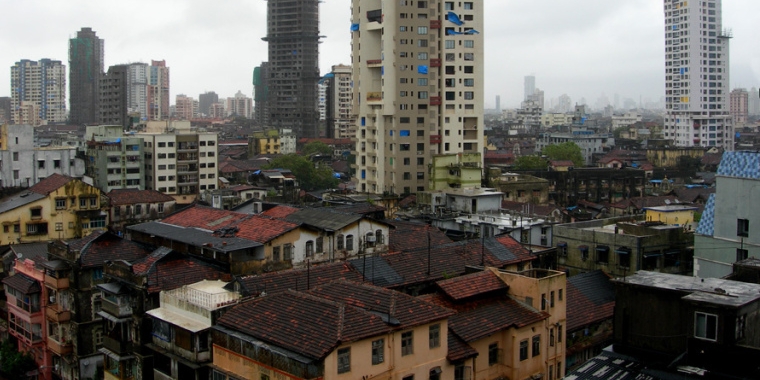
Now here at Chembur life is different, and the air is not so good. We opened a small community on the outskirts of Mumbai, where pollution has grown in recent years (chemical industries, heavy traffic, proximity of the landfill). Residents have tried to solicit government environmental clean-up measures, so far without success. With the rise of the pollution the wealthy have fled to the neighborhood, but the fall in rents has attracted many new inhabitants, so much so that between a skyscraper and the other under a corrugated sheet, metal, plastic brick are people evicted from more expensive neighborhoods, displaced from the countryside, immigrants from other states, fleeing from famine and violence. The plurality of ethnic groups, religions and languages makes it difficult to communicate even among neighbors.
The great urgency is the instruction and integration. Here the Christian minority is yeast rich in life and a Catholic school, Nursery to secondary, populated by students from each language, ethnicity and religion, is a seedbed of a new generation. In the classrooms, in the hallways, in the great lawn, hundreds of school children and their teachers learn to talk to each other and to interact with joy and mutual respect, and also education for environmental stewardship is part of school curricula, are the hope of Chembur.
One cannot understand and love from a distance. So our new place of mission, chaotic and multiform, I get no less splendid Karnataka forest. In traffic and in multitudes moving during the day, and around every light that shines at night like a crib, I know there are creatures maybe not that aesthetically beautiful as those of the forest, but infinitely loved by God; and now that I'm here I'm happy to share the daily life and therefore also the hardships and risks of pollution. "Missionaries always and everywhere," said Luigia Tincani: one more time, I experience the truth of these words.
In this delightful setting arrived at around 9 am, 9 coach loads of kids and teenagers, collected from remote villages in the forest, and the whole day was with them, our joy was watching them grow, learn and play, until in the evening everyone left and we would return to the voices of the forest.
Now here at Chembur life is different, and the air is not so good. We opened a small community on the outskirts of Mumbai, where pollution has grown in recent years (chemical industries, heavy traffic, proximity of the landfill). Residents have tried to solicit government environmental clean-up measures, so far without success. With the rise of the pollution the wealthy have fled to the neighborhood, but the fall in rents has attracted many new inhabitants, so much so that between a skyscraper and the other under a corrugated sheet, metal, plastic brick are people evicted from more expensive neighborhoods, displaced from the countryside, immigrants from other states, fleeing from famine and violence. The plurality of ethnic groups, religions and languages makes it difficult to communicate even among neighbors.
The great urgency is the instruction and integration. Here the Christian minority is yeast rich in life and a Catholic school, Nursery to secondary, populated by students from each language, ethnicity and religion, is a seedbed of a new generation. In the classrooms, in the hallways, in the great lawn, hundreds of school children and their teachers learn to talk to each other and to interact with joy and mutual respect, and also education for environmental stewardship is part of school curricula, are the hope of Chembur.
One cannot understand and love from a distance. So our new place of mission, chaotic and multiform, I get no less splendid Karnataka forest. In traffic and in multitudes moving during the day, and around every light that shines at night like a crib, I know there are creatures maybe not that aesthetically beautiful as those of the forest, but infinitely loved by God; and now that I'm here I'm happy to share the daily life and therefore also the hardships and risks of pollution. "Missionaries always and everywhere," said Luigia Tincani: one more time, I experience the truth of these words.

- Details
- Hits: 1328
Mariarosa was just over seventy, but the hardships of life marked her painfully. She was lately hosted in a family-home of the Caritas. After a happy childhood – she gladly used to talk about, boasting her abilities of shepherdess, too – she experienced much less happy seasons of poverty and social exclusion; but she didn’t talk about it so much.
Mariarosa passed away a few months ago. During her funeral the chaplain read a few lines found at the end of a notebook where she used to write or mostly she dictated to the social workers of the Caritas she was in friendship with:
“I’m okay, now. there are people who love and care of me. I’ve lots of time to think about my life. There are many questions I can find no answer. I accept my life, for whatever it has given to me and even for what it didn’t give to me”.
A lesson in wisdom, by Mariarosa, in a society that sometimes struggles to find the meaning of life.
Mariarosa passed away a few months ago. During her funeral the chaplain read a few lines found at the end of a notebook where she used to write or mostly she dictated to the social workers of the Caritas she was in friendship with:
“I’m okay, now. there are people who love and care of me. I’ve lots of time to think about my life. There are many questions I can find no answer. I accept my life, for whatever it has given to me and even for what it didn’t give to me”.
A lesson in wisdom, by Mariarosa, in a society that sometimes struggles to find the meaning of life.
- Details
- Hits: 1466
Catherine of Siena is the Saint who passed on Luigia Tincani her Dominican charism entrusted to us, the School Missionaries. Moreover, the message of St. Catherine is transversally addressed to the several historical circumstances, because as Doctor of the Church she accompanies our move with times.
What is then today her most urgent solicitation for the season in which we live in? Obviously she has derived it from the intuition which was the well-spring for all her spiritual experience: knowing herself in the light of God she came out from the closed environment of a 14th century woman, in travelling all over the world of that time, to reach out people and problems in which God would have been present through her.
But in her multiform religious and civil activities we may get today a teaching so much necessary at our time: to step out of ourselves and of a selfcentered feeling; that prevents to be authentic in the relationship with God and with neighbour, free from any sectarian attitude, which Catherine denounces as pitfall for families and for civil society, for the Italian Communes and for the European States of her time.
“Our Dominican tradition - Bruno Cadoré, Master of the Order of Preachers, writes – is rich in personalities who in various ways have carried the evangelical message of peace and justice in their apostolate. It suffices to mention here the names of Bartolomé de las Casas, Jean-Joseph Lataste, Giorgio La Pira, Vincent McNabb, Louis-Joseph Lebret, Laure Sabès, Patrik Kužela, Aurelius Arkenau, Mikuláš Lexmann, Dominique Pire, Michał Czartoryski, Hijacint Bošković, Anna Abrikosova and many others.
During her short life, Catherine of Siena also tried to bring a message of peace, both within the Church and in society. It is therefore no surprise that she was chosen as one of the co-patrons of Europe, a continent whose history is marked by so many tears and conflicts between peoples”.
But in her multiform religious and civil activities we may get today a teaching so much necessary at our time: to step out of ourselves and of a selfcentered feeling; that prevents to be authentic in the relationship with God and with neighbour, free from any sectarian attitude, which Catherine denounces as pitfall for families and for civil society, for the Italian Communes and for the European States of her time.
“Our Dominican tradition - Bruno Cadoré, Master of the Order of Preachers, writes – is rich in personalities who in various ways have carried the evangelical message of peace and justice in their apostolate. It suffices to mention here the names of Bartolomé de las Casas, Jean-Joseph Lataste, Giorgio La Pira, Vincent McNabb, Louis-Joseph Lebret, Laure Sabès, Patrik Kužela, Aurelius Arkenau, Mikuláš Lexmann, Dominique Pire, Michał Czartoryski, Hijacint Bošković, Anna Abrikosova and many others.
During her short life, Catherine of Siena also tried to bring a message of peace, both within the Church and in society. It is therefore no surprise that she was chosen as one of the co-patrons of Europe, a continent whose history is marked by so many tears and conflicts between peoples”.
- Details
- Hits: 1460
Rome experienced its Friday for Future on the day which we, christians, call the Good Friday. It seemed to me a good key to understand this day not in mourn, but as it is presented in the Catolic Liturgy, which is with the thought of redemption. A festive, but at the same time a serious provocation done by Greta Thumberg and her teenage friends confirms again that we need new generations to push us to change things. There will always be polemics, but apart from them, educators, forever optimists, work all the time so this grain could grow and become nutritious, and so the bad seeds could not drown them down with discouragement.
The hippies of ’68 and the generations of “Death Poets”, students, writing poems on the walls of universities, believed that this would be a sign of hope against terrorism and any other kinds of violence. This generation of social activists can nowadays help the young to take actions that will help them make good life choices concerning their life as such and their professions, in a real innovative way. This is the challenge that appears with the drammatic appeals of scientists, as well as with the silence of potents of the world.
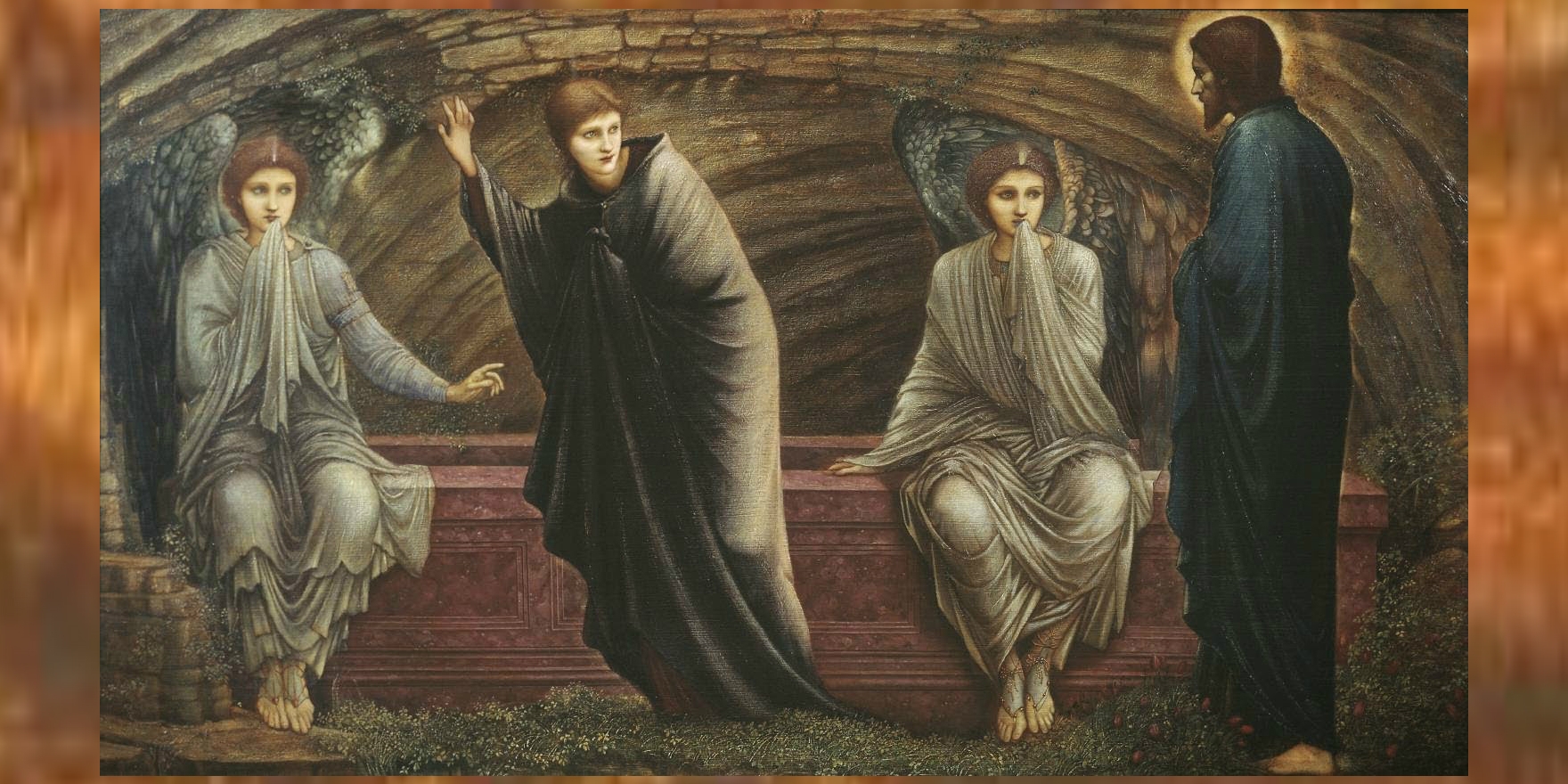
On the Good Friday Christ started the the Easter Mystery with his blood, as the Liturgy recalls it. As the mankind does its Way of Cross, and continues to register more and more falls, sufferings and sins, we need to remember, that Jesus has already included them in His Passion. He experimented all the horror of death. He showed us how muchi t is against God’s project of life. None of the espressions of the evil shoud take from us the faith in the omnipotence of God, the One that is operating even now. God creates new things every day, in every generation. “See, I am doing a new thing. Now it springs up; do you not perceive it?”(Is 43:19).
So, it is also true for our times, that “Jesus is risen, and he wants to make us sharers in the new life of the resurrection. He is the true youthfulness of a world grown old, the youthfulness of a universe waiting “in travail” (Rom 8:22) to be clothed with his light and to live his life.” (post-synodal Esort.. Christus vivit, n. 32). The Pope does not write it to the young only, but he warns, that their not ready innovative cannot be efficent without an intergenerational sinergy: “i vostri anziani faranno sogni, i vostri giovani avranno visioni.” (Gl 3:1).
Happy Easter to all!
The hippies of ’68 and the generations of “Death Poets”, students, writing poems on the walls of universities, believed that this would be a sign of hope against terrorism and any other kinds of violence. This generation of social activists can nowadays help the young to take actions that will help them make good life choices concerning their life as such and their professions, in a real innovative way. This is the challenge that appears with the drammatic appeals of scientists, as well as with the silence of potents of the world.
On the Good Friday Christ started the the Easter Mystery with his blood, as the Liturgy recalls it. As the mankind does its Way of Cross, and continues to register more and more falls, sufferings and sins, we need to remember, that Jesus has already included them in His Passion. He experimented all the horror of death. He showed us how muchi t is against God’s project of life. None of the espressions of the evil shoud take from us the faith in the omnipotence of God, the One that is operating even now. God creates new things every day, in every generation. “See, I am doing a new thing. Now it springs up; do you not perceive it?”(Is 43:19).
So, it is also true for our times, that “Jesus is risen, and he wants to make us sharers in the new life of the resurrection. He is the true youthfulness of a world grown old, the youthfulness of a universe waiting “in travail” (Rom 8:22) to be clothed with his light and to live his life.” (post-synodal Esort.. Christus vivit, n. 32). The Pope does not write it to the young only, but he warns, that their not ready innovative cannot be efficent without an intergenerational sinergy: “i vostri anziani faranno sogni, i vostri giovani avranno visioni.” (Gl 3:1).
Happy Easter to all!